
Does Chocolate Cyst Cause Weight Gain?
Chocolate cyst, one of the most frequently encountered conditions among women, is seen when the tissue located in the inner membrane of the uterus moves outside the uterus, settles on organs such as the ovarian ducts or the ovaries and continues to develop the
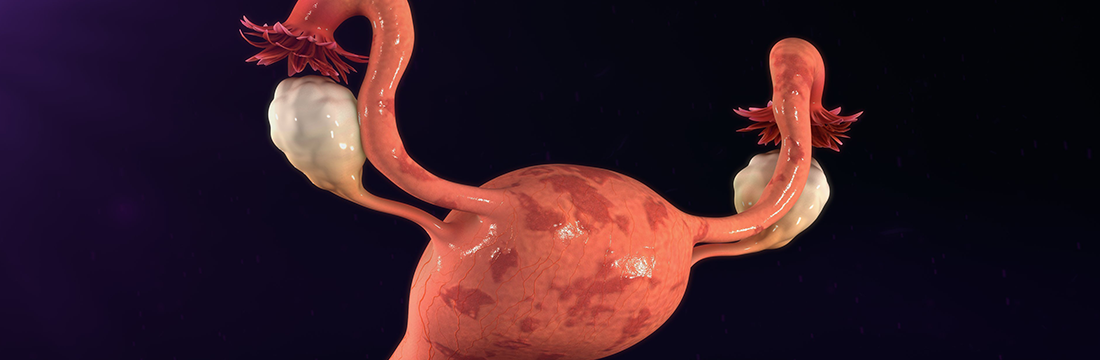
Chocolate cyst, one of the most frequently encountered conditions among women, is seen when the tissue located in the inner membrane of the uterus moves outside the uterus, settles on organs such as the ovarian ducts or the ovaries and continues to develop there. This condition, which can be seen in any woman of childbearing age, can be resolved, depending on its stage, with various drug and hormonal treatments as well as with surgical intervention.
Chocolate cyst can show itself as irregular bleeding, menstrual periods that pass with cramps, pain in the bowel and the groin and swelling in the lower abdominal region. This disease, which can generally be diagnosed with laparoscopy, can affect weight gain or weight loss indirectly, even if not directly. We will briefly touch on the details below.
In the research carried out to date, no direct relationship has been found between chocolate cyst and a weight problem. In fact, unlike with many diseases, women with endometriosis are thinner women. But with the effect of the disease, dense adhesions inside the abdomen cause bloating in the abdomen, while life being restricted to the home because of pain and moving little indirectly cause weight gain. However, women who have a chocolate cyst may gain weight for various reasons.
This in turn may show that there is an indirect rather than a direct relationship between the risk of chocolate cyst and weight gain. Some women who have a chocolate cyst may experience abdominal swelling. In some patients bloating may be seen together with weight gain. This abdominal bloating may appear as a result of the dense adhesions the chocolate cyst creates on the organs inside the pelvic bone, and in some women it may also be assessed as weight gain. But it is due to bloating in the abdomen or gas related to severe disease. In appearance there is an enlarged waistline.
In the treatment of chocolate cyst, hormonal medications are frequently resorted to in order to control the symptoms. The hormonal medications used in people suffering from this condition may cause a certain amount of weight gain. In treatment, birth control pills containing oestrogen and progesterone, pills containing progesterone only, or long-acting injections that induce a false temporary menopause are used. Of these two hormones, oestrogen can trigger weight gain. Both oestrogen and progesterone can cause fluid retention in the body and oedema to form in the body, and they can also lead to eating more food because they increase the appetite.
In order to avoid gaining weight, you can adopt a balanced diet and an active lifestyle. Alternative treatment methods are applied with the aim of preventing the weight gain associated with the use of contraceptive medications. If the uterus and the ovaries have had to be removed because of the disease, in this case male-pattern fat accumulation around the abdomen and weight gain may be seen in women, particularly during the menopause period. When all of this is taken into account, it is difficult to say that there is a link between weight and chocolate cyst.
If you suspect it, don’t put it off
Chocolate cysts can progress silently. Let us clarify your situation with an examination and imaging.