
Endometriosis
Endometriosis, or chocolate cyst by its better-known name, is a health problem that is seen quite frequently in women and that affects quality of life negatively with its serious symptoms.
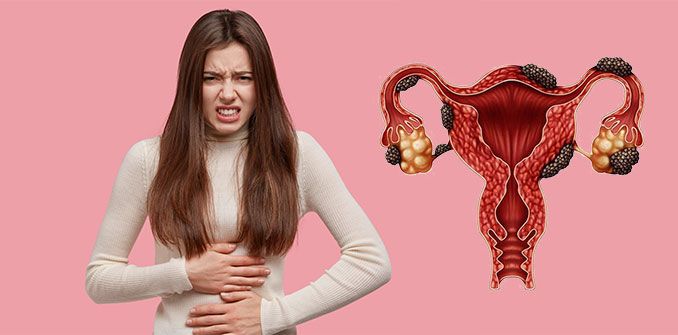
Endometriosis or, by its better-known name, chocolate cyst, is a health problem that is quite common in women and that, with its serious symptoms, has a negative effect on quality of life. This problem is difficult to diagnose and, according to research carried out worldwide, the average time to diagnosis after onset is known to be about 7 years; it must certainly be monitored and treated. In our article you can find the answers to all the questions asked about endometriosis, together with the things you definitely need to know, such as endometriosis treatment methods, types of endometriosis and endometriosis symptoms.
Endometriosis can be defined as the presence, outside its normal location, of the tissue that forms the inner lining of the uterus and is called the endometrium. Endometriosis is a health problem characterised by chronic pain. This health problem is also called “Chocolate Cyst” and is far more widespread than is thought. Endometriosis is mostly seen in the ovaries, the fallopian tubes and the tissues around the uterus and the ovaries, but it can also, though rarely, be seen at different points in the body.
The places where endometriosis is commonly seen
However, in addition to these areas, there is also a possibility of endometriosis in the vagina, the cervix, the neck of the womb, the bowel, the rectum and the bladder. Endometriosis seen at these points generally arises from endometrial cells that settle into an incision made during a surgical operation, and this type of endometriosis is called “scar endometriosis”. Rarely, endometriosis is also encountered in extrapelvic areas such as the lungs, the brain, the skin and the eye. Although it is far less common in these areas, it can still be said that there is a possibility of it occurring.
Although the cause of endometriosis is not fully known, there are theories that several different conditions may lead to it.
Genetic factors are known to underlie many health problems. It is thought that chocolate cysts are seen in people who have a family history of chocolate cysts. It has also been observed that chocolate cysts are more common in certain ethnic groups. Research has shown that the frequency of endometriosis is higher in white women than in black women. Asian women are described as the group in which endometriosis is observed most frequently, while the likelihood of endometriosis in Hispanic women is quite low. However, it must also be borne in mind that in this research, factors such as environmental conditions and how often women have regular gynaecological examinations may cause changes in the results. (1) (2)
In retrograde menstruation, the menstrual blood containing endometrial cells, instead of being expelled from the body, follows the fallopian tubes and flows into the pelvic cavity. This causes the endometrial cells flowing into the pelvic cavity with every cycle to increase, to thicken and, by continuing to bleed, to adhere to the pelvic wall. This condition is accepted as the most common cause of endometriosis. (3)
What Causes Endometriosis?
Endometriosis can emerge as a result of the transformation into endometrial cells of the cells that line the inner wall of the abdomen and are called the peritoneum. It is thought that hormones and the immune system have an effect on the transformation of these cells.
The hormone oestrogen is secreted intensively especially during puberty, and in this period it may cause newly developing cells to turn into endometrial cells. At the end of this transformation, endometriosis may emerge.
Endometriosis may emerge when endometrial cells settle into the incision made for the operation and grow in that area following a caesarean section or an episiotomy performed during normal birth (the incision made so that the baby’s head can come out more easily). The patient’s typical complaint is a painful, swollen mass at the site of the lesion during menstruation. If the diagnosis is delayed while the lesion is still very small at the beginning, the lesion gradually grows.
Endometrial cells can be carried to different points in the body by the blood and lymph vessels. Although this is not very common, it can happen and, though rarely, causes endometriosis to be seen outside the reproductive system.
Endometriosis may occur when, due to a problem that may arise in the immune system, the endometrial tissue growing outside the uterus is not recognised and destroyed by the cells of the immune system.
There are also some risk factors that affect the development of endometriosis.
Endometriosis is a fairly common health problem. It can be said that the frequency of chocolate cysts in women of reproductive age is in the range of 10% to 15%. Approximately 60-70% of women with endometriosis are seen to have a serious problem of pelvic pain. This pain is intense enough to cause a decline in quality of life. Endometriosis, for which diagnosis and treatment at an early stage are important, is a health problem whose progression can be prevented far more easily and which can be treated without reducing the person’s quality of life if it is noticed during adolescence. However, research has shown that even in developed countries the diagnosis of endometriosis in women is delayed by approximately 7 years. Endometriosis usually emerges during examinations carried out in the thirties and forties. Early and regular gynaecological examination is very important for this disease to be diagnosed. According to the research carried out, in cases of female-related infertility, 38% of the women were found to have endometriosis. (4)(5)
Endometriosis is divided into different types according to the areas of the body in which it is found. An increase in the density of the cysts can be likened to cancer. While it is present at first in one area of the body, it may later be seen in other organs as well. However, endometriosis does not grow like cancer. According to the area in which it is found, the condition can be classified as peritoneal endometriosis, endometrioma, deep endometriosis and abdominal wall endometriosis.
This is at the same time the most commonly seen type. In this type, the lesions occur in the peritoneum, which is like a thin film covering the inner surfaces of the pelvic cavity.
In this less common type, the endometriosis that occurs in the ovaries forms an endometrioma. An endometrioma is a cyst that forms in the walls of the areas containing endometriosis. The inside of this cyst is full of blood and, because of its colour, it is generally known as a chocolate cyst. In many patients with an endometrioma, peritoneal endometriosis and deep endometriosis are also frequently encountered.
In this type, the endometrial tissue is seen in organs inside or outside the pelvic cavity. Among these, it involves organs such as the large bowel (especially the last part of the large bowel; the rectum), the appendix, the bladder and the ureters (the tubes that carry urine from the kidney to the bladder). Although these patients frequently have intra-abdominal adhesions, sometimes a great deal of scar tissue merges with the organs and the area can become completely adherent. This condition is called frozen pelvis. However, this condition is seen in only 1% to 5% of endometriosis patients.
Rarely, endometrial tissue grows in the abdominal wall. The cells can settle in this area through a surgical incision such as a caesarean section.
The most common sign of endometriosis, that is, its primary symptom, is intense pelvic pain. The fact that pelvic pain occurs during menstrual periods causes women to move away from this suspicion. Because pain experienced during the menstrual period is normalised, it is generally neglected and menstrual pain is not associated with endometriosis. The fact that many women’s mothers, older sisters or sisters also have very painful menstrual periods causes this pain to be normalised. However, pelvic pain and cramps experienced during the menstrual period are a herald of endometriosis and it is important that they are taken into account.
What Are the Symptoms of Endometriosis?
The commonly known symptoms of endometriosis are as follows;
Painful menstrual period (Dysmenorrhoea): Pain and cramps that start in the pelvic region a few days before the menstrual period may continue throughout the whole period. In addition to pain and cramps in the pelvic region, pain may also occur in the lower back and abdominal region.
Pain during sexual intercourse (Dyspareunia): In women with endometriosis, pain and occasionally bleeding may occur during sexual intercourse.
Pain during defecation (Dyschezia): If there is pain when passing stools, especially during menstruation, endometriosis should again come to mind. Another important point is that if a patient has dysmenorrhoea, dyspareunia and dyschezia, there is a more than 90% risk of deep endometriosis. This is called the 3 D finding.
Pain when passing urine: This symptom, which shows itself especially during the menstrual period, is characterised by a feeling of pain when passing urine. In addition to this symptom, constipation and pain during bowel movements may also occur.
Heavy bleeding: A heavy menstrual period is not normal. Heavy menstrual periods may be a symptom of endometriosis. In addition, bleeding or spotting between periods is also accepted as a symptom of endometriosis.
Infertility: Endometriosis is one of the most common causes of female-related infertility. Research has shown that between 25% and 50% of infertile women have endometriosis. Between 30% and 50% of women diagnosed with endometriosis are also infertile. (6)
Endometriosis, one of the most frequently encountered gynaecological conditions, is at the same time also a cause of infertility. Women with endometriosis can become pregnant, but this can sometimes be more difficult and take longer. Two out of every 5 patients in their thirties or forties lose their fertility. The growth outside the uterus of a tissue that should grow inside the uterus can lead to a painful process. In addition, these structures can also occur in the fallopian tubes or the ovaries. With endometriosis treatment, the chance of pregnancy can be increased. Endometriosis consists of benign cysts. However, when they are seen in the reproductive organs, the likelihood of becoming pregnant also falls. The endometrial tissue surrounding the ovaries blocks the eggs. In addition, the tissue also prevents sperm from entering the fallopian tubes. Endometriosis can also cause infertility by preventing the fertilised egg from passing from the tubes into the uterus.
Apart from all of these, endometriosis also has some other effects. In a healthy person, the fertilised egg attaches to the wall of the uterus. However, in adenomyosis, the form of endometriosis that involves the uterus, the tissue of this wall is also affected and the implantation of the fertilised egg in the innermost layer of the uterus can be impaired. For this reason, the chance of conceiving is reduced in women who have endometriosis.
Endometriosis is a disease that is frequently confused with cancer. Although some research points to endometriosis raising the risk, the number of these studies is quite small. The risk of ovarian cancer increases somewhat after the age of 45. After the age of 45, this rate rises from 1.35% to 1.85%. In the research carried out, genetic predisposition was not found to contribute to the cancer risk of endometriosis. Serous ovarian cancer and endometrioid ovarian cancer, which are very rare types of ovarian cancer, are seen more frequently in women with endometriosis.
Suspecting endometriosis and receiving a definite diagnosis of this condition are not the same thing. Situations that may create a suspicion of endometriosis come to light when the symptoms described as the common signs of this condition are experienced over a long period. If serious pelvic pain occurs during the menstrual period, if menstrual cycles are shorter than 27 days and/or the menstrual period is longer than 7 days, a specialist should be consulted with a suspicion of endometriosis. Because endometriosis, that is, chocolate cyst, is quite a common health problem, regular gynaecological examination is very important. Women should have gynaecological examinations from their first menstrual cycle onwards, or at the latest from the age of 18, regardless of whether or not they are sexually active.
When a doctor is consulted with a suspicion of endometriosis or chocolate cyst, first of all the doctor must be told in detail when and in what way the symptoms that gave rise to this suspicion appeared. After the patient’s history has been taken, the patient is examined. Afterwards, the suspicion of endometriosis must be investigated using different diagnostic methods and the diagnosis must be made.
Pelvic Examination: In a pelvic examination, the cysts in the reproductive organs or the abnormalities behind the uterus are palpated, that is, examined by hand. However, this examination does not make it possible to feel endometriotic areas that are not large enough to cause a cyst. If a suspicion of endometriosis arises at the end of the patient’s history and physical examination, different methods of investigation must be used.
Ultrasound: Endometriosis can be investigated with ultrasound, in which high-frequency sound waves are used to produce images. Depending on the person’s condition, ultrasound can be performed through the abdomen or through the vagina. Both types of ultrasound are effective in obtaining clear images of the reproductive organs. However, for a definite diagnosis of endometriosis to be made as a result of ultrasound, an experienced doctor must assess the formations. As with physical examination, endometriotic areas may not be visible with ultrasound.
MRI: With MRI, also known as magnetic resonance imaging, very detailed images of the organs and tissues in the human body can be obtained. With the images obtained by means of a magnetic field and radio waves, a definite diagnosis of endometriosis can be made. In addition, MRI also makes it possible to gather information that will help with detailed surgical planning if the person needs an operation.
Laparoscopy: In some cases, endometrial tissue must be looked for outside the uterus in order to diagnose endometriosis. In this case, the procedure that needs to be carried out is laparoscopy. In this procedure, which is performed under general anaesthesia, a small incision is made in the navel area and the inside of the abdomen is scanned with an imaging device called a laparoscope. With laparoscopy, information is obtained about the location and size of the endometrial tissue, and if necessary a sample can be taken from the tissue found for biopsy. In some cases, the chocolate cysts may also be treated at the same time as the laparoscopy. Today its use for diagnostic purposes only is extremely rare. It is frequently used for treatment purposes or, less often, for differential diagnosis.
Having an operation for endometriosis treatment may not always be the best or the first solution to be chosen. The possible risks of surgery must certainly also be discussed together. If surgical treatment has been chosen, the best surgery must be carried out in a single session. After repeated operations, it would be no surprise if the operation proved far more difficult, even if it were performed by a very experienced endometriosis surgeon. With alternative methods such as drug treatment, it may be possible for the cysts to become stable or to be reduced in size. Although people with a chocolate cyst problem generally think that they will lose their fertility along with the treatment of this problem, hysterectomy, that is, the complete removal of the uterus (together with the ovaries), may be resorted to in very advanced situations and as a last resort, after discussion with the patient.
In the treatment of endometriosis there is no single prescription or single treatment method. Treatment planning can be carried out as a result of assessing together different variables such as the person’s age, general state of health and desire to have children. A treatment that is completely individualised according to the patient’s condition must be chosen. In addition, it must be borne in mind that this treatment may last a lifetime. Although chocolate cyst, or endometriosis, may last a lifetime, it is mostly a health problem that can be managed. In this case, rather than treating the disease, it is necessary to determine correctly how it will be managed.
Painkillers, which are commonly used in the treatment of endometriosis, do not treat the chocolate cyst, but they do help to make the problem manageable. Endometriosis that does not intensively affect the person’s general state of health and is not a cause of infertility, but does cause pain and cramps that reduce quality of life, can be brought under control with painkillers. Anti-inflammatory drugs (painkillers called non-steroidal anti-inflammatory drugs or NSAIDs) can be used. Because the pain that arises due to a chocolate cyst can be very severe, the use of over-the-counter painkillers may not help to manage the process. At the same time, intense pain must certainly be examined by a specialist, and the use of painkillers must again be recommended by a specialist.
One of the treatment methods commonly used for endometriosis is hormone therapy. The changes that hormones undergo throughout the menstrual cycle cause the intrauterine tissue, that is, the endometrial tissue, that has reached the outside of the uterus to thicken still further. Although hormone therapy is not a permanent solution for endometriosis, it may be preferred in terms of stopping the growth of the chocolate cyst and/or reducing its size. Hormone treatments for endometriosis can be administered in different ways.
The basic aim of hormone treatments is to limit or stop oestrogen production in the body in order to reduce the effects of oestrogen on endometriosis. However, these treatments have no success in achieving the separation of the endometrial tissue from the organ to which it has adhered or in treating infertility due to chocolate cyst.
Hormonal birth control pills: When correctly chosen, the use of these pills helps to bring under control the intense pelvic pain and bleeding that occur during the menstrual cycle. However, these pills must certainly be used under the supervision of a specialist.
Progestogens: Progestogens are synthetic hormones that behave like the natural hormone progesterone. These artificial hormones can be used to prevent the rapid growth of endometrial tissue. Their use is preferred especially in the patient group with severe pain.
GnRH Releasing Hormone Agonists and Antagonists: These drugs prevent the production of the hormones that stimulate the ovaries. They help to lower the oestrogen level and to prevent menstruation. As a result of all these changes, they help the endometrial tissue to shrink. GnRH agonists and antagonists cause an artificial menopause to occur. For this reason, it is possible for menopausal symptoms to appear along with the use of the drug. In order to prevent menopausal symptoms such as bone loss, vaginal dryness and hot flushes, it may be necessary to take low-dose oestrogen and progestogen. Although the use of the drug causes a temporary menopausal effect, infertility does not occur after the drug is stopped; the person can become pregnant and her menstrual cycle starts again. The most important factor limiting the use of these drugs in treatment is that their use for longer than 6 months is rare because of side effects.
Aromatase Inhibitors: The use of these inhibitors reduces the amount of oestrogen in the body. Along with the reduction in the amount of oestrogen, the symptoms of endometriosis can be brought under control, and its growth can be stopped and/or reduced. They are preferred especially in patients whose lesions or complaints recur and who do not respond to other treatments.
Hormone treatments have some side effects. The common side effects of hormone treatments are;
In the treatment of endometriosis, surgery can generally be chosen as the first option in patients with serious complaints. Surgical treatments also differ among themselves. Conservative surgery (organ- and function-preserving surgery) and, as a last resort, especially in patients who have completed their childbearing and are of a more advanced age, hysterectomy (removal of the uterus together with the ovaries) are the methods resorted to in the treatment of endometriosis.
Although surgery is the most effective treatment method in the treatment of endometriosis, that is, chocolate cyst, in terms of achieving the disappearance of the symptoms, chocolate cyst is a health problem that can recur. However, in some situations surgery is chosen as the primary treatment option;
When the symptoms of endometriosis need to be brought under control and/or fertility needs to be improved, conservative surgical intervention must be carried out. At this point, because the aim is to improve fertility, there is no need to fear a loss of fertility, as is the case with hysteroscopy. In these operations, surgeons make plans aimed at preserving fertility (the ovaries, the tubes and the uterus are preserved).
Laparoscopy is the procedure of reaching the endometriosis and removing the cyst through small incisions made in the abdomen. Because the procedures are carried out with a device called a laparoscope, the operation is performed through the tiny incisions that are made. No significant scar remains. On the device called a laparoscope there is a camera and a light source for viewing the operating area. In this way, precisely targeted intervention becomes possible. Endometrioma tissue and ovarian cysts that occur due to endometriosis can also be removed with this technique. The operation is performed under general anaesthesia and the recovery process is quite comfortable. After the operation, fertility can be improved and the symptoms of endometriosis are relieved or disappear completely. However, it must not be forgotten that if endometrial tissue remains inside after the operation, the problems may recur.
In endometriosis treatments, hysterectomy is preferred at the final stage. This operation is very extensive and will have major effects on the body. If recovery cannot be achieved with laparoscopic organ-preserving surgery or medical drug treatments and the decision has been taken not to have any more children, hysterectomy, that is, removal of the uterus, may come onto the agenda. However, the decision on this operation must be taken very carefully. Hysterectomy is an irreversible surgical intervention.
Although removal of the ovaries as part of a hysterectomy is accepted as the most effective method in the treatment of endometriosis, the changes that occur in the body after this operation and the various risks that arise, together with the irreversible loss of fertility, mean that this operation is not preferred. If the ovaries are left in place in this operation, the likelihood of endometriosis recurring increases considerably. Removal of the ovaries also results in menopause. The fact that the hormones produced by the ovaries become ineffective after the ovaries are removed surgically may help the symptoms to disappear completely, but the possibility that the symptoms may continue must not be forgotten. Early menopause causes an increase in the risk of cardiovascular disease, and this is one of the serious effects of the operation. It must not be forgotten that, during this operation, the removal of the ovaries may give rise to the need for HRT, that is, hormone replacement therapy (replacing what is missing). It must not be forgotten that with HRT, the symptoms of endometriosis may return after hysterectomy. The possibility that HRT given as a combination of oestrogen and progesterone may increase the risk of breast cancer exists only with long-term use, but until the ideal age of menopause is reached this risk is not expected to increase to any significant degree. (7)
Not removing the ovaries during hysterectomy is important for the person’s general state of health, but it must also be remembered that in this case there is a possibility that the treatment will fail. However, removal of the ovaries together with hysterectomy before the age of 35 is not preferred unless it is essential.
Different approaches need to be included in the treatment of endometriosis. The reason for this is the need for treatment to be planned specifically for the individual. The most effective treatment method for endometriosis is surgical intervention. The belief that fertility may be affected after the operation can cause people to approach the surgical treatment of chocolate cyst with prejudice.
While trying different approaches in the treatment of chocolate cyst, that is, endometriosis, it is important to raise people’s quality of life and to be able to meet their expectations. A chocolate cyst may exist without showing any symptoms, but it may also present as a condition that has a negative effect on the person’s quality of life. It must not be forgotten that a chocolate cyst thought to be asymptomatic may be a cause of female-related infertility. When investigating the causes of infertility in couples who have tried to conceive naturally for 1 year but have been unsuccessful, it is necessary to take into account the possibility of endometriosis, even if there is no symptom, and to plan the correct treatment. The fact that drug and hormone treatments have certain side effects brings to the fore conservative surgery, which both provides fertility and brings the symptoms under control. However, the surgical intervention must certainly be performed by a specialist, experienced doctor and must be planned in great detail.
In the treatment of endometriosis, conservative surgical intervention based on preserving the uterus and the ovaries is the most effective treatment method. In these operations, which are carried out with closed surgery (robotic or laparoscopic surgery), it is possible to make plans for preserving the area and, accordingly, fertility. However, the person must be suitable for surgical intervention. In people who have previously had a similar operation, those with bilateral chocolate cysts, those in adolescence, that is, adolescents, and those with a low ovarian reserve, surgical intervention is not preferred as the first option.
Endometriosis surgery is an operation that can be performed with different techniques. Although it is said that the need for surgery for a chocolate cyst arises when the diameter of the person’s cyst and/or cysts exceeds 4 centimetres, it is frequently expected to exceed 5-6 cm. However, the number of cysts and the extent to which the problem affects the person’s quality of life are also important in the decision on surgery. Indeed, when deciding on treatment, the effect on quality of life is far more important than the diameter of the cyst. When the commonly preferred chocolate cyst operation is performed with laparoscopic or robotic surgery, it provides comfort both in terms of the recovery process and in terms of the effects of the operation on fertility, compared with open surgery. With closed surgery, benefits such as a reduced risk of infection, far less local pain, a shorter recovery process and a more comfortable return to normal life can be experienced.
Before endometriosis surgery, the necessary investigations must have been completed. These investigations are carried out both to identify the cysts that the person has and as part of planning the operation. Planning can be done by determining the size and type of the cysts. Before the operation, a detailed examination with a gynaecological examination and ultrasound must certainly be carried out. After the decision on the operation has been taken, it is important that the investigations required for anaesthesia are performed. Before the operation, the anaesthesia tests must be carried out and the anaesthetist who will take part in the operation must make plans for the process. Alcohol and smoking must be given up before the operation. This is an important matter both for the operation and for the post-operative process. It is recommended that the use of both substances be given up at least one week before the operation. In addition, the person must certainly tell the doctor about the medicines she uses regularly and must not use medicines or supplements with a blood-thinning effect in the period before the operation. It is also important for the operation that she does not eat foods rich in vitamin E.
Endometriosis surgery is an operation performed under general anaesthesia which, if it has been planned as conservative surgery, generally lasts approximately 60-120 minutes. If a hysterectomy is to be performed, the duration of the operation may be between 1 hour and 3 hours depending on the technique used. If deep endometriosis surgery is also to be performed, the duration is much longer.
This operation is known as the most preferred chocolate cyst surgery technique in past years. Although the closed technique is generally preferred today because it can be performed far more comfortably and the recovery process is also easier, in some situations the open technique is preferred. Endometriosis surgery with the open technique is performed under general anaesthesia. In this operation, a groin incision similar to a caesarean section incision is made and, by entering through the abdomen, the removal of the endometrial tissue in the area is carried out.
This operation is performed under general anaesthesia. The operation is carried out with a device called a laparoscope, which is inserted through a small incision made in the abdomen. During the operation, the area is examined in detail with cameras and findings of endometrial tissue are obtained. In this way, the symptoms due to endometriosis are prevented and fertility is restored.
Different techniques can be tried for hysterectomy. Depending on which technique is preferred, the way the operation is performed may differ.
Partial Hysterectomy: This is the operation in which the body of the uterus is removed but the ovaries, the cervix and the fallopian tubes are left in place.
Total Hysterectomy: This is the operation in which the whole of the uterus is removed without intervening in the ovaries or the fallopian tubes.
Radical Hysterectomy: This is the operation in which, together with the uterus, all the reproductive organs, the lymph nodes in the area and the vaginal tissue close to the uterus are removed. Especially in patients with very deeply infiltrating endometriosis, radical hysterectomy may be resorted to, just as in cervical cancer. The difference from cervical cancer is that in endometriosis the deep involvement is generally one-sided.
The recovery process after endometriosis surgery differs depending on the technique and the extent of the operation performed. It can be said that the person’s age, general state of health and compliance with the rules of the post-operative period may also affect the recovery process.
After the operation, the person may generally need to stay in hospital for at least 2 days. After the person is discharged, for a few days she should protect the area where the stitches are and avoid movements that would strain the stitches. During this period, painkillers and antibiotics may be used on the doctor’s advice in order to minimise the risk of infection. Because the incision is somewhat larger in operations performed with the open technique, greater care must be taken during the recovery process. Not lifting heavy objects and avoiding movements that would strain the area are important for the recovery process.
The recovery process after laparoscopy is quite comfortable. People can be discharged after staying in hospital for 1 day. During the recovery process, in order for the site of the incision to heal quickly, it is necessary not to lift heavy objects, to keep the area clean and to use the medicines given by the doctor regularly. Because the operation is performed through the abdominal region and large incisions are not needed, the person can return to her normal life in a short time.
Even when it is performed in its most minimal form, hysterectomy is quite an extensive operation and the recovery process is also long. After the operation, it is necessary to stay in hospital for one or two days. The painkillers and antibiotics given after the operation are of considerable importance for the recovery process.
After a hysterectomy, activities that would strain the area must certainly be avoided. During the first 5 weeks it is important not to do tiring sports and not to lift heavy objects. For a comfortable recovery process after the operation, it is advisable to pay attention to nutrition. In order not to leave open the possibility of constipation after hysterectomy, a high-fibre diet should be preferred and a full diet is resumed early after the operation. Because constipation occurring during the recovery process of this operation may cause bleeding, particular attention must be paid to nutrition. On the day immediately after the operation, a shower can be taken thanks to protective dressing materials. However, the body must not remain in water. At the same time, not going into swimming pools or the sea and not being in environments with high humidity such as saunas are important for recovery. This warning must be observed for at least 5 weeks. After hysterectomy it is necessary to wait at least 2 months before sexual intercourse, and if it is considered necessary this period may need to be extended to 3 months. After hysterectomy the menstrual cycle does not continue. However, if a hysterectomy has been performed in which the ovaries are preserved, the person does not enter the menopause. If menopausal symptoms appear, hormone treatment may need to be started according to the symptoms that emerge.
Because endometriosis is a health problem whose name is heard very often, which has an important place among the causes of female infertility and which has come onto the agenda more in recent years thanks to the treatments and techniques that have been developed, both what is written about it and what people wonder about it are increasing every day. Knowing the correct answers to the most frequently asked questions about endometriosis is of great importance both for recognising the disease and for having a good grasp of the treatment processes.
There is a quite mistaken perception that herbal treatments and cures prepared at home are good for the treatment of chocolate cyst. Although there is no definitive treatment for chocolate cyst, the fact that it is a fairly common condition means that very serious research is being carried out into this health problem. However, trying a home-made treatment for endometriosis is one of the steps towards experiencing far greater problems in the future. What a woman with a suspicion or diagnosis of endometriosis should do is to discuss the treatment options with a reliable specialist and to have regular check-ups so that the number and size of the cysts can be monitored.
Many factors have an effect on determining the prices of endometriosis surgery. First of all, two basic techniques are used in the surgical treatment of endometriosis. Because these techniques are quite different in terms of their scope and application, they are highly decisive in terms of the operation prices. Although the technique is a determining factor in chocolate cyst surgery prices, it must not be forgotten that factors such as the extent of the operation, the expertise of the surgeon who will perform the operation, the pricing policy of the clinic or hospital where the operation will be performed, the quality of the equipment to be used in the operation and the costs of new-generation techniques such as robotic surgery also have an effect on pricing.
Different factors need to be taken into account when determining the appropriate age for endometriosis or chocolate cyst surgery. There is no ideal age for this operation. However, it must not be forgotten that a chocolate cyst can occur from the age of 15 onwards and may be a cause of female-related infertility. Depending on the patient’s condition, it can be performed in the twenties or in the fifties. The main factor is the patient’s clinical condition. The decision on the operation must be taken according to how advanced the endometriosis is, the desire to have children, whether or not the number of births has been completed, and the person’s age and general state of health. In adolescence, in those with bilateral chocolate cysts and in people who have had very frequent operations, surgery is not preferred as the first option, especially if there is a desire to have children.
Because endometriosis surgery is an operation performed under general anaesthesia, it is not possible to feel any pain or discomfort during the operation. After the effect of the anaesthesia wears off, the level of pain felt varies according to the extent of the operation. However, with the use of the painkillers given by the doctor after the operation and the use of a pain pump, the pain can be brought under control and a pain-free recovery process begins in a short time.
Endometriosis operations are operations performed under general anaesthesia.
Endometriosis operations, like every surgical operation, have some risks. In particular, the areas to which the endometrial tissue has attached and the extent of the attachment are influential in determining the scope of the operation. As the scope of the operation widens, the risks of the operation also increase. After chocolate cyst surgery, injuries to the bladder, ureter and bowel may occur. In order for such complications to be prevented, the operation must be well planned and must certainly be performed by a doctor with expertise in surgical techniques.
Operations performed with the laparoscopy technique have a great many advantages. However, in order for these advantages to come onto the agenda, the operation must certainly be performed by a specialist surgeon. The recovery process after an endometriosis operation performed with the laparoscopic technique is much shorter. There are advantages such as a shorter hospital stay, a shorter and more comfortable return to normal life, and a faster return of the person’s bowel movements to normal. As well as the advantages of the post-operative period, with this technique, which provides a much clearer view of the area where surgical intervention will be carried out and makes endometrial tissue easier to notice, the scope of the operation can be increased.
Although destroying the endometrial tissue with a laser is a method used in endometriosis operations, laser treatment alone does not eliminate the chocolate cyst problem. In addition, destroying the endometrial tissue with a laser or an electric current is also preferred. There is research showing that the use of a laser in endometriosis surgery has no additional side effects. (8) Although destruction with a laser is very comfortable in terms of the operation, the surgeon performing the operation must be competent in the use of the laser.
Endometriosis is a health problem for which there is no definitive drug treatment and which is only relieved and/or treated with surgical approaches when necessary. It may be possible to bring the chocolate cyst under control with drug and hormone treatments. In some cases, observation alone may even be sufficient. Planning in the treatment of chocolate cyst must certainly be carried out on an individual basis. It is critically important that the correct treatment planning is carried out, taking into account factors such as the decline in quality of life due to endometriosis and the inability to conceive.
Chocolate cyst is a health problem that can recur. Studies carried out show that there is a possibility of endometriosis reappearing after the operation. Because one of the aims in surgical interventions is also to eliminate the situation in which the cysts prevent pregnancy, surgical intervention is commonly preferred. At the same time, endometriosis is not a health problem that is easy to diagnose. In women with endometriosis, that is, chocolate cyst, it takes an average of 7 years for this problem to be diagnosed. During this time it is likely that the chocolate cyst will spread, thicken and its negative effects on health will increase. By carrying out regular check-ups after chocolate cyst treatments and observing the current situation, the control mechanism over recurrent cysts is made to work more effectively.
For the diagnosis, treatment and follow-up of endometriosis, it is necessary to consult obstetrics and gynaecology doctors who are specialists in endometriosis. In fact, it is very important for all women to have regular gynaecological examinations. Thanks to regular gynaecological examination, many diseases can be diagnosed early.
(1) https://obgyn.onlinelibrary.wiley.com/doi/abs/10.1111/1471-0528.15692
(2) https://pubmed.ncbi.nlm.nih.gov/30908874/
(3) https://www.mayoclinic.org/diseases-conditions/endometriosis/symptoms-causes/syc-20354656
(4) https://www.aafp.org/afp/2011/0101/p84.html
(5) https://www.ncbi.nlm.nih.gov/pmc/articles/PMC5737931/
(6) https://www.ncbi.nlm.nih.gov/pmc/articles/PMC2941592/
If you suspect it, don’t put it off
Chocolate cysts can progress silently. Let us clarify your situation with an examination and imaging.