
Pelvic Floor Problems in Individuals with Endometriosis
Behind complaints such as severe groin pain, a stinging sensation during intercourse or frequent urination lies a cause that is often overlooked: dysfunction of the pelvic floor muscles.
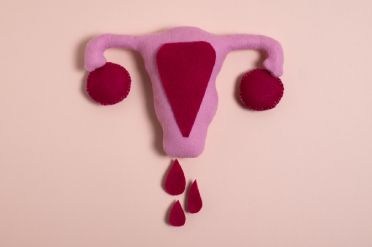
Behind complaints such as severe groin pain, a stinging sensation during intercourse or frequent urination lies a cause that is often overlooked: dysfunction of the pelvic floor muscles. Particularly in individuals who experience chronic pain, the pelvic floor muscles remaining constantly contracted can turn into a second problem over time.
The pelvic floor is a structure consisting of muscle and connective tissue that supports the bladder, the uterus, the vagina and the bowel. This structure does not only hold the organs in place; it also plays an important role in processes such as urinary and bowel control, sexual function and childbirth.
However, if the muscles in this region remain constantly tense:
Changes in toilet habits
Pain during intercourse
A feeling of pressure or fullness in the vaginal area
Discomfort while sitting
Burning or knife-like stabbing pain in the pelvic region
symptoms such as these may appear.
A constant feeling of pain forces the body to go on the defensive. The pelvic floor muscles too can remain involuntarily contracted with this defensive reflex. Over time this situation both increases the existing pain and gives rise to new problems. Within this vicious circle the muscles cannot relax, circulation is disrupted and the pain becomes chronic.
The Source of Every Problem Is Not the Organs
The source of gynaecological pain is not always the organs. Sometimes the muscles, nerves and connective tissues around the structures may be the real problem. For this reason, pelvic floor assessment should be carried out particularly in groin and vaginal area pain that has not passed for a long time.
In problems related to the pelvic floor, planning tailored to the person is required. In this process:
Pelvic floor physiotherapy
Manual therapy techniques
Botox applications where necessary
Surgical intervention aimed at the source of the pain
can be assessed together.
If you are experiencing pain in the pelvic region that does not pass, discomfort during intercourse or changes in your toilet habits, it is quite important that you obtain a specialist opinion in order to be assessed in terms of pelvic floor problems.
If you suspect it, don’t put it off
Chocolate cysts can progress silently. Let us clarify your situation with an examination and imaging.