
What is sciatic nerve endometriosis, why does it occur, what are its symptoms and treatment methods?
Endometriosis is a benign disease seen in approximately 10% of women of reproductive age. Obstetrics and Gynaecology Specialist Prof. Dr. Taner Usta makes explanations about sciatic nerve endometriosis that we have perhaps never hear
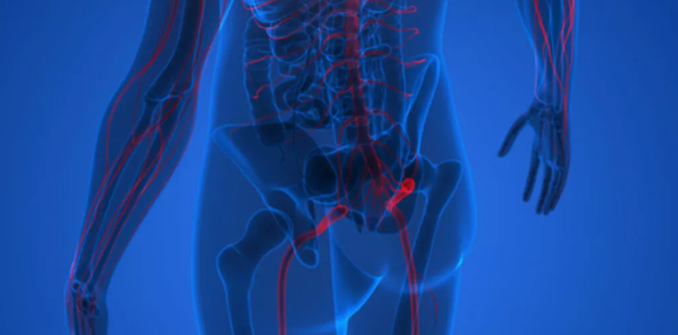
Endometriosis is a benign disease seen in approximately 10% of women of reproductive age. Obstetrics and Gynaecology Specialist Doç. Dr. Taner Usta, sciatic nerve endometriosis about which he makes explanations, each more useful than the last, that we have perhaps never heard bef
Although it is a benign disease, it has malignant (cancer-like) behaviour in terms of its progression and its involvement of other organs. Although there is frequently involvement of the ovaries, the peritoneum inside the abdomen, the large bowel and the ureter, it can affect all the organs inside the abdomen.
The sciatic nerve is the thickest and longest nerve in the human body. After it is formed from the nerve fibres coming from the lower part of the spinal cord, it leaves the abdominal cavity, passes to the back of the thigh and, dividing into two separate nerves behind the knee, goes down to the foot.
While the sensation of the sole of the foot, the back of the calf, the knee and the back of the thigh is carried by the sciatic nerve, some foot and leg muscles are also stimulated by the sciatic nerve. Endometriosis can rarely involve the part of this nerve inside the abdomen and can lead to sciatic nerve problems.
When the sciatic nerve is involved, pain, a feeling of numbness, tingling and muscle weakness are observed at the back of the thigh, behind the knee, at the back of the calf and in the sole of the foot, particularly during the menstrual period.
These complaints can be caused when pressure is placed on the sciatic nerve by a slipped disc, or any pressure or compression along the course of the nerve can lead to these complaints.
In sciatic nerve involvement of endometriosis, because inflammation also increases in the endometriotic tissue on the nerve during the menstrual period, the complaints increase during the menstrual period. Whether these complaints are due to endometriosis or to another cause comes to light after a detailed physical examination.
Sciatic nerve involvement in endometriosis can generally be missed. For this reason the patient needs to be examined by doctors who are experienced in this matter.
The definitive treatment is the surgical removal of that endometriotic tissue. Today there are neuropelveologists (who carry out nerve surgery of the groin region) in the world who have specialised in this work.
In our country there are only two obstetrics and gynaecology specialists who hold this certificate. With the removal of the lesion by a neuropelveologist laparoscopically or with the assistance of a robot, all the complaints regress and the patient returns to her normal life.
Because the lesion will be removed completely from the nerve, this surgery being carried out by a neuropelveologist who is very experienced in this matter reduces to a minimum the harm the patient may suffer from the operation
If you suspect it, don’t put it off
Chocolate cysts can progress silently. Let us clarify your situation with an examination and imaging.